
Michael Brunn
Editor-in-Chief

Editor-in-Chief

The circular economy is considered a key concept for ensuring the sustainable use of resources. However, even the most efficient closed-loop systems cannot completely eliminate waste.

The British government wants to fundamentally reposition its steel industry with a clear focus on decarbonisation and the circular economy. At the heart of the UK Steel Strategy is a raw ma-terial that has often been underestimated in the past: steel scrap.

The European Commission has announced the Circular Economy Act for the autumn. Through a series of publications, the law is getting clearer contours.

Many circular economy technologies and business models have passed the pilot phase, but their scaling often fails due to regulatory fragmentation, weak markets for secondary raw materials and a lack of data interoperability.

Europe's cities are driving the transition to a circular economy. But there is still a clear gap between am-bitious goals and reality.

Technically, there are many prerequisites for a European circular economy. Regulation, demand and infrastructure are slowing down the plan to scale these processes.

The reuse of concrete components is considered one of the most effective levers for reducing CO₂ emissions in the construction industry. But how can it be ensured that dismantled elements remain durable and load-bearing even in a second phase of life?

The environmental debate has shifted fundamentally in recent years.
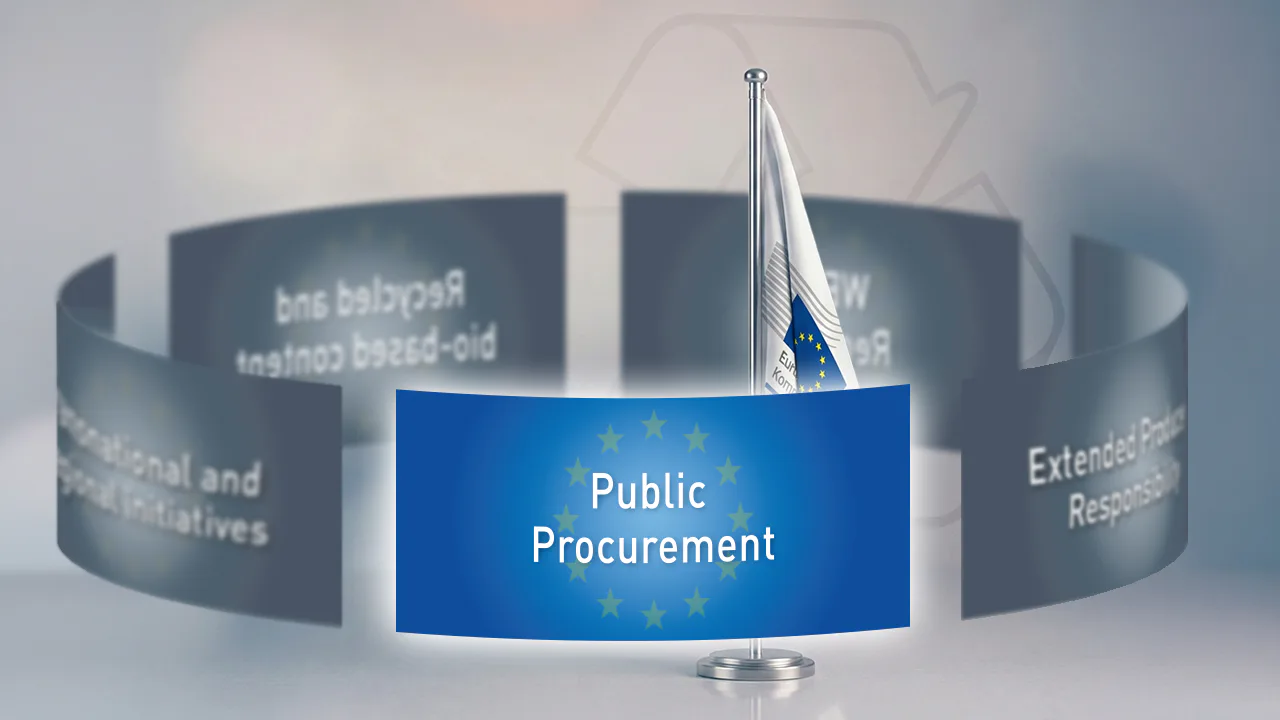
Technical solutions for circular public procurement are widely available in Europe. However, their systematic application falls short of the possibilities.
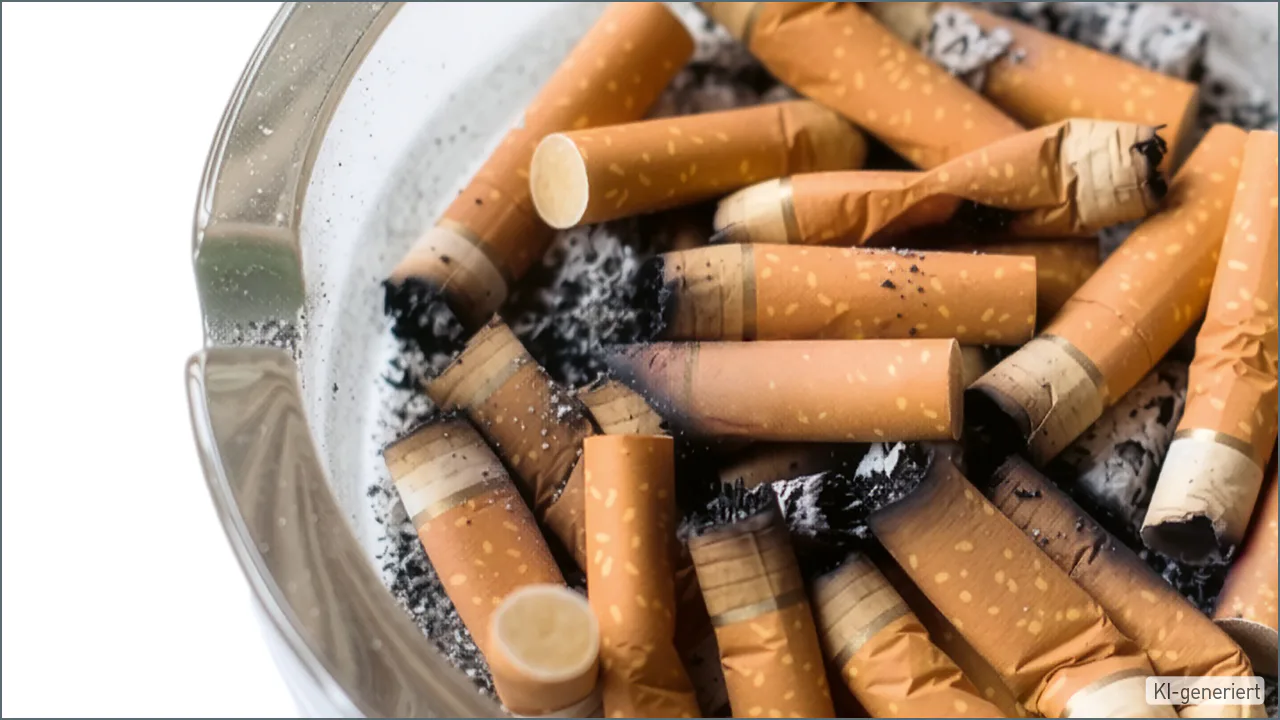
Every year, trillions of cigarette butts are carelessly disposed of worldwide. This results in an enormous plastic stream with toxic pollution that hardly anyone notices.