
Project develops structural batteries from recycled carbon fibre
The RE-CELL research project is developing structural batteries from recycled carbon fibre for use in the aviation industry.

The RE-CELL research project is developing structural batteries from recycled carbon fibre for use in the aviation industry.

According to Eurostat, environmental tax revenues in the EU amounted to 371.9 billion euros in 2024.

The Swiss research project "Circular Workwear" has investigated the potential of recycling workwear, which is often incinerated despite professional washing and systematic collec-tion. The final report of the Lucerne University of Applied Sciences and Arts shows that closed textile cycles are mainly a system issue.

The economic potential of the circular economy has not yet been exploited. The EEA's report "Unlocking the circular economy: investment needs, barriers and enabling conditions" aims to show how this can be changed.
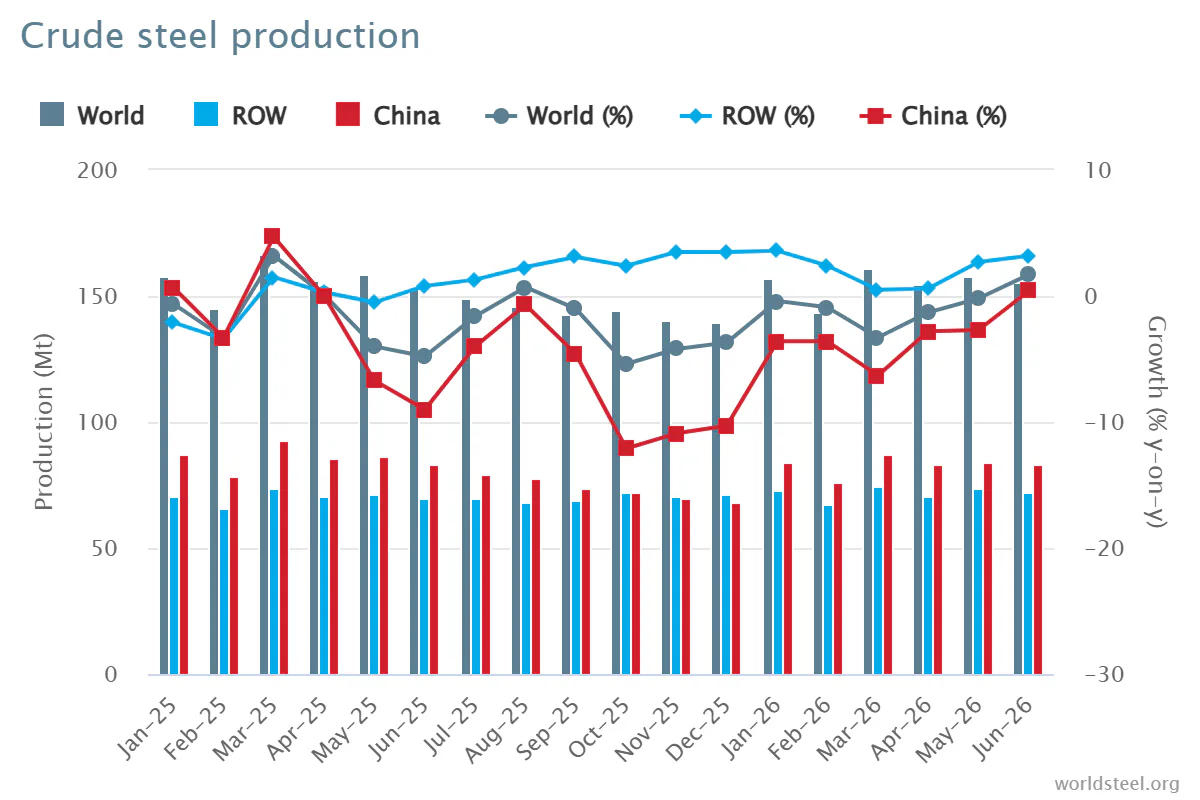
World crude steel production for the 70 countries reporting to the World Steel Association (Worldsteel) was 155.7 million tonnes (Mt) in June 2026, a 1.7% increase compared to June 2025.

Comstock Metals will recycle manufacturing byproducts from Illuminate USA's Ohio solar panel plant under a new zero-landfill service agreement.

The building sector accounts for more than half of Germany's waste and at the same time binds enor-mous quantities of mineral and metallic raw materials.

In its report "Scaling circular business models in Europe", the European Environment Agency (EEA) makes it clear that the circular economy in Europe is structurally underdeveloped despite political support and increasing investment in Europe.

Avery Dennison's AD CleanFlake RFID tags have received RecyClass Technology Approval in Europe, confirming their compatibility with mechanical PET bottle recycling streams. The approval complements the product's existing APR Design Recognition in North America.

Digital technologies are a key driver of a functioning circular economy.